
Do symptoms like intestinal discomfort, digestive problems, or even skin rashes feature in your everyday life? Have you considered that these issues might be linked to your dietary habits?
The food we eat directly impacts our health, from the well-being of our heart to our emotional state. The consequences of our diet are manifold, which is why we’re increasingly seeking healthier dietary alternatives to combat issues like inflammation.
Forget drastic diets or food restrictions. Have you heard about anti-inflammatory foods? Is such a diet a myth, or does it have real effects? Read on to find out about the potential benefits of a healthy diet on your body.
But what exactly is inflammation?
Before delving into anti-inflammatory and antioxidant foods, it’s crucial to understand what inflammation is. Divided into chronic or acute (depending on its duration), inflammation is a response from the immune system to harmful agents.
When inflammation is caused or exacerbated by food, it can lead to the development of certain diseases. Common ones include obesity, diabetes, and heart problems. To give you an idea, here is a list of some of the worst foods for inflammation:
- Processed and fast food
- Soft drinks and alcohol
- Fried foods, especially in refined vegetable oils
- Processed or overly fatty red meat
- Cured meats
- Sugars
- Gluten (in cases of intolerance)

Now that you know the primary foods contributing to bodily inflammation, let’s explore anti-inflammatory foods. But does an anti-inflammatory diet truly work?
Are there anti-inflammatory foods?
While they may not solve inflammation issues completely, adopting an anti-inflammatory diet is a positive step towards avoiding these problems. Consuming these foods can reduce the production of agents that foster inflammation, strengthening your immune system.
Anti-inflammatory foods can also bring other health benefits, such as better weight and blood sugar control, improved cardiovascular health, reduced risk of chronic issues, and even more energy for daily activities.
Thus, an anti-inflammatory diet could be a chance to enhance your overall well-being. But what are these anti-inflammatory foods? Learn more about them below:
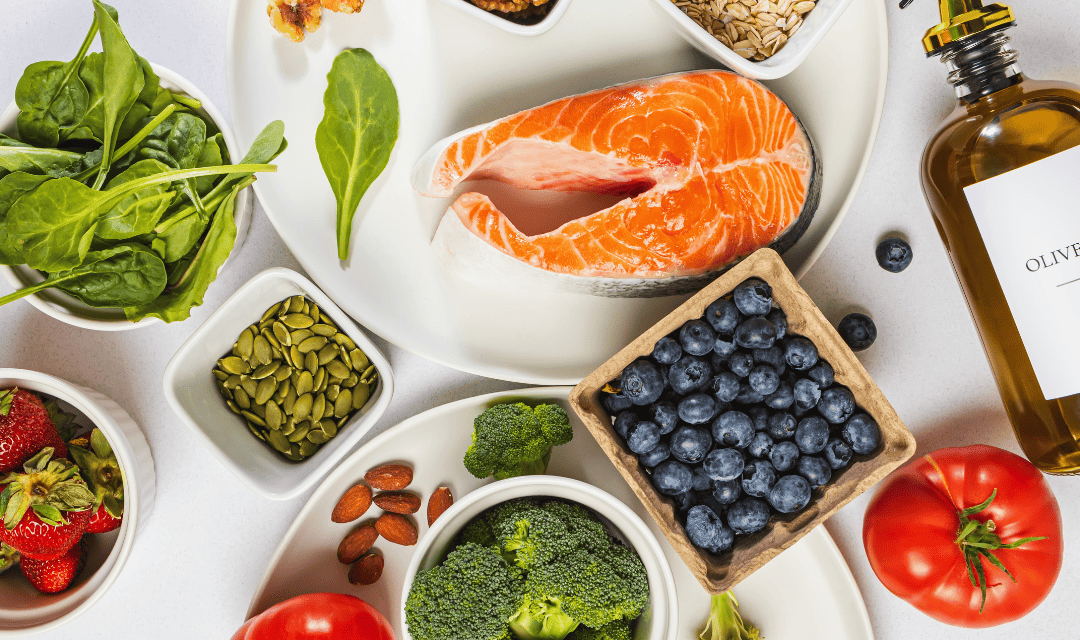
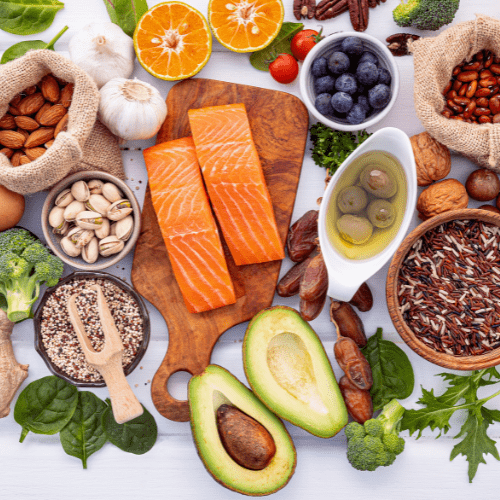
- Vegetables: Particularly dark leafy greens packed with vitamins stand out. Include options like broccoli, rocket, spinach, cauliflower, or turnip in your diet.
- Fruits: Citrus fruits and berries are prominent. Citrus fruits like oranges and mandarins are valuable, including their peel. Red-coloured fruits like blackberries, watermelon, and strawberries are noted for their anthocyanins. Tomatoes are also part of this group due to their comprehensive nutritional profile.
- Nuts: Besides the fruits mentioned above, nuts, such as chestnuts, are also powerful allies for your diet. Seeds and grains like chia or flaxseed are also beneficial for their properties.
- Omega-3-rich fish: Salmon, sardines, and tuna are highlighted here. Omega-3 is part of the essential fats contributing to various health aspects.
- Beans: If you’re fond of beans, there’s no need to cut them out of an anti-inflammatory diet. They can also be a valuable ally.
- Extra virgin olive oil: This oil is an excellent complement to your meals.
- Teas: Among the most beneficial teas with anti-inflammatory components is green tea. Ginger tea is also an exciting choice.
Additionally, probiotics are an asset to your diet. Options like kombucha are attractive for improving digestive health.
Pros and Cons of Anti-Inflammatory Diets
Although anti-inflammatory diets are advantageous for health, especially for digestive functioning, there may be some associated disadvantages. Familiarise yourself with the main features of this type of diet in the table below.
| Advantages | Disadvantages |
| Reduction of inflammation and other diseases. After all, the quality of your diet substantially impacts your health, including your skin. | Cost. Focusing on the most natural products, this diet can be more expensive. |
| Control of your weight. This diet tends to aid in maintaining a healthy weight, as it’s based on healthy, antioxidant-rich foods. | Need for preparation. This diet requires more time since it favours homemade and natural recipes. |
| Increase in energy. For tasks from the simplest to the most demanding, it’s important to feel energised, and the right food choices can enhance your mood and well-being. | Restrictions. Although beneficial, be mindful of restrictions. Avoid eliminating food groups and pay attention to your caloric needs. |
How to Adopt an Anti-Inflammatory Diet
If you’re interested in an anti-inflammatory diet, remember that a healthy relationship with food is essential. Therefore, look to adopt healthy and conscious eating habits. The first step is to seek a professional, such as a nutritionist, to follow a dietary plan tailored to your needs.
Furthermore, if you’re affected by inflammation, mainly if it manifests on your skin, you might also complement the treatment with the proper skincare routine. You can choose the ideal skin product here: